Donkey Kong

Where the 80s are still on the air and still being talked about.

This is where the 80s are still on the air and still being talked about.

This community is part of a live 80s radio experience built around We Love the Eighties Radio. Every day the music, movies, television, and moments of the decade are brought back to life, and this is where listeners come to talk about it.

Check in during live radio blocks, share memories, and connect with others who still remember what it felt like when these songs and shows were part of everyday life. Whether you are tuning in right now or just discovering the station, you are in the right place.

Listen Live

Join the discussion

About This Community
Free registration. Facebook and Google login available.

  • 0
  • 0
  • 0
Donkey Kong
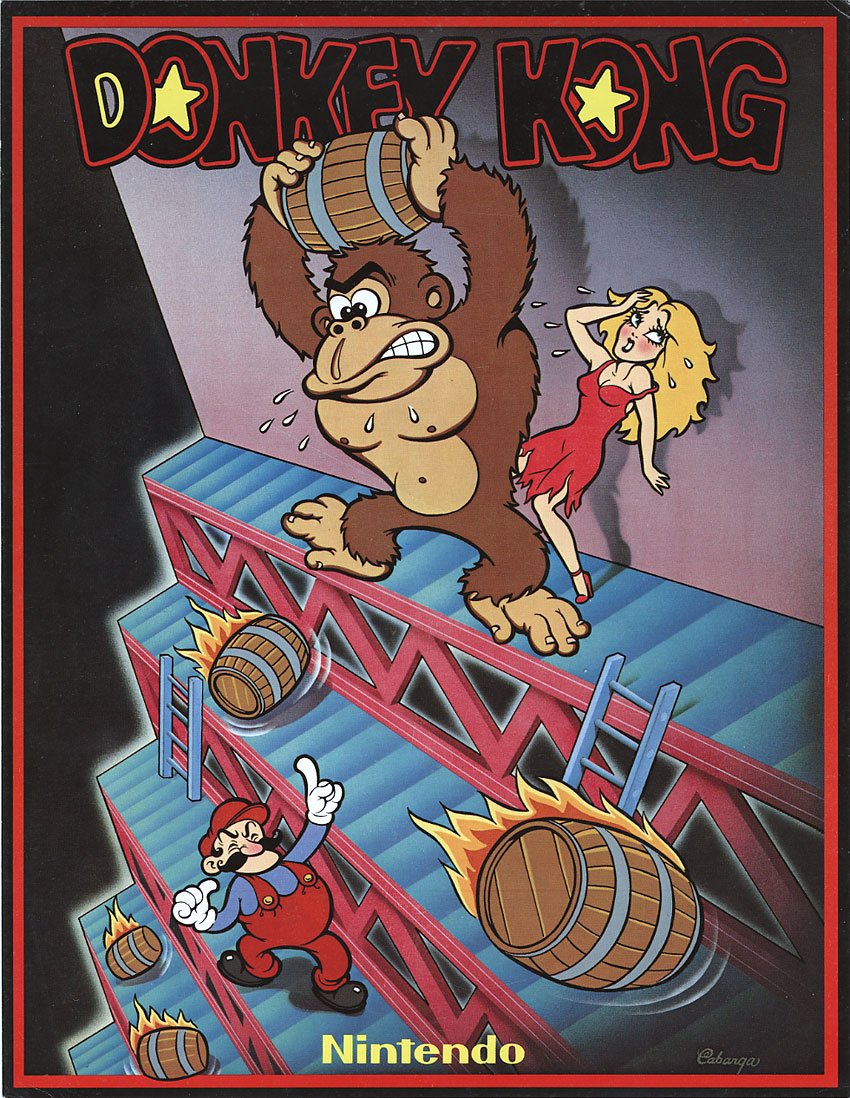
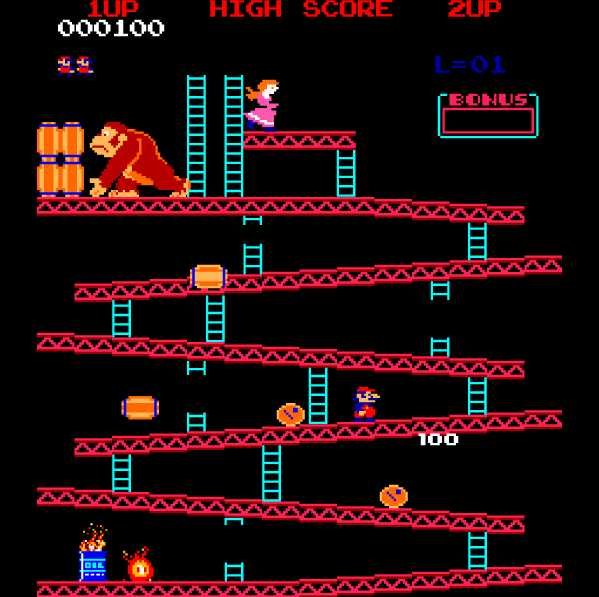
Donkey Kong is a 1981 arcade platformer video game developed by Nintendo R&D1 and Ikegami Tsushinki and released by Nintendo of America in the USA on July 31, 1981. Donkey Kong is the first game in the Donkey Kong series. Following Space Panic (1980), Donkey Kong is one of the earliest examples of the platform game genre, even prior to the term being coined; the U.S. gaming press used "climbing game" for games with platforms and ladders. As the first platform game to feature jumping, Donkey Kong requires the player to jump between gaps and over obstacles or approaching enemies, setting the template for the future of the genre. With four unique stages, Donkey Kong was the most complex arcade game of the time, and one of the first arcade games with multiple stages, following games such as Phoenix (1980), Gorf (1981), and Scramble (1981). In addition to the goal of saving Pauline, the player has a score. Points are awarded for the following: leaping over obstacles; destroying objects with a hammer power-up; collecting items such as hats, parasols, and purses; removing rivets from platforms; and completing each stage according to a steadily decreasing bonus counter. The player starts with three lives with a bonus life awarded at 7,000 points. A life is lost when Mario touches Donkey Kong or any enemy object, falls too far, or lets the bonus counter reach zero. The game ends when all lives are lost. Each of the four single-screen stages represents 25 meters of the structure Donkey Kong has climbed: 25, 50, 75, and 100 meters. Stage one involves Mario scaling a construction site made of crooked girders and ladders while jumping over or hammering barrels and oil drums tossed by Donkey Kong. Stage two involves climbing a five-story structure of conveyor belts, each of which transport cement pans. The third stage involves the player riding elevators while avoiding bouncing springs. The final stage requires Mario to remove eight rivets from the platforms supporting Donkey Kong; this causes Donkey Kong to fall and the hero to be reunited with Pauline. These four stages combine to form one level. After each level, the stages repeat with increased difficulty. For example, Donkey Kong begins to hurl barrels faster and sometimes diagonally, and fireballs speed up. The victory music alternates between levels 1 and 2. The fourth level consists of five stages with the final stage at 125 meters. Level 130 is colloquially known as the kill screen, due to a programming error that kills Mario after a few seconds, effectively ending the game.
Released:
Publisher: Nintendo of America, Inc.
Players: 2
Co-op: No

Platform
Trailer
Screenshot

Pete

Mr. Eighties
Joined
Apr 29, 2023
Messages
14,064
Reaction score
551
Donkey Kong is a 1981 arcade platformer video game developed by Nintendo R&D1 and Ikegami Tsushinki and released by Nintendo of America in the USA on July 31, 1981. Donkey Kong is the first game in the Donkey Kong series. Following Space Panic (1980), Donkey Kong is one of the earliest examples of the platform game genre, even prior to the term being coined; the U.S. gaming press used "climbing game" for games with platforms and ladders. As the first platform game to feature jumping, Donkey Kong requires the player to jump between gaps and over obstacles or approaching enemies, setting the template for the future of the genre. With four unique stages, Donkey Kong was the most complex arcade game of the time, and one of the first arcade games with multiple stages, following games such as Phoenix (1980), Gorf (1981), and Scramble (1981). In addition to the goal of saving Pauline, the player has a score. Points are awarded for the following: leaping over obstacles; destroying objects with a hammer power-up; collecting items such as hats, parasols, and purses; removing rivets from platforms; and completing each stage according to a steadily decreasing bonus counter. The player starts with three lives with a bonus life awarded at 7,000 points. A life is lost when Mario touches Donkey Kong or any enemy object, falls too far, or lets the bonus counter reach zero. The game ends when all lives are lost. Each of the four single-screen stages represents 25 meters of the structure Donkey Kong has climbed: 25, 50, 75, and 100 meters. Stage one involves Mario scaling a construction site made of crooked girders and ladders while jumping over or hammering barrels and oil drums tossed by Donkey Kong. Stage two involves climbing a five-story structure of conveyor belts, each of which transport cement pans. The third stage involves the player riding elevators while avoiding bouncing springs. The final stage requires Mario to remove eight rivets from the platforms supporting Donkey Kong; this causes Donkey Kong to fall and the hero to be reunited with Pauline. These four stages combine to form one level. After each level, the stages repeat with increased difficulty. For example, Donkey Kong begins to hurl barrels faster and sometimes diagonally, and fireballs speed up. The victory music alternates between levels 1 and 2. The fourth level consists of five stages with the final stage at 125 meters. Level 130 is colloquially known as the kill screen, due to a programming error that kills Mario after a few seconds, effectively ending the game.
 
Back
Top